You spend hours refining subject lines. You personalize first lines. You test different calls to action. Yet the replies barely move.
As marketing and sales teams, we often assume the problem is the copy.
Based on multiple outbound performance reports across industries, reply rates are far more influenced by targeting quality than by wording tweaks.
Cold email performance is not just about what you say. It is about who you say it to.
If the audience is wrong, even great messaging struggles. If the audience is right, even simple messaging can work.
This is where segmentation becomes your strongest lever.
Why Segmentation Impacts Reply Rates More Than Copy
As sales professionals, we all face the pressure to increase volume. More emails often feels like more opportunity.
But we also know that buyers today are overloaded. They ignore generic outreach instantly.
Industry data consistently shows that relevance directly impacts reply behavior. When emails speak to a specific role in a specific context, engagement improves.
Segmentation makes relevance possible at scale.
Instead of blasting 5,000 mixed contacts, you speak to 500 people who share similar challenges. That shift alone changes outcomes.
It is not about sending more. It is about sending smarter.
Start with Firmographic Clarity
We all understand that different industries operate differently.
A SaaS company thinks in terms of churn, product adoption, and growth metrics.
A manufacturing company focuses on supply chain, margins, and operational efficiency.
Healthcare organizations prioritize compliance and risk management.
Based on campaign performance data across B2B sectors, mixed-industry outreach consistently underperforms compared to industry-focused campaigns.
When segmentation begins with industry, messaging becomes sharper.
Company size matters just as much.
As marketing and sales teams, we have seen how startups respond differently from enterprises. A 30-person startup values speed and agility. A 1,000-employee enterprise values scalability and risk control.
Revenue band adds another layer of realism. Financial capacity shapes buying behavior.
When you align your messaging with company maturity and financial stage, conversations feel more grounded and credible.
Segment by Role and Seniority with Intent
We all know that decision makers think differently from managers.
A CEO is focused on growth and long-term strategy.
A Sales Director cares about pipeline velocity.
A Marketing Manager worries about campaign performance.
A CFO looks at cost efficiency and ROI.
Based on outbound analysis across several industries, reply rates improve significantly when campaigns are separated by seniority level.
Sending the same message to both a Director and a C-level executive often weakens performance for both groups.
Segmentation by role ensures that the language, pain points, and metrics align with what the recipient actually cares about.
When a prospect sees their priorities reflected in your message, it signals that you understand their world.
Geography Is More Than a Location Filter
We all recognize that markets behave differently.
Compliance regulations vary by country. Buying cycles differ by region. Communication styles shift across cultures.
Reports on global outbound performance show that timing and tone adjustments based on geography can improve response rates.
Sending emails during local business hours increases visibility. Adjusting language to match regional communication styles improves comfort and relatability.
Geographic segmentation is not just administrative. It is strategic.
Add Behavioral Context Whenever Possible
As marketing and sales teams, we often talk about timing. The right message at the wrong time rarely works.
Behavioral and intent signals help improve timing.
Examples include:
Recent funding announcements
Active hiring in specific departments
Technology adoption signals
Content engagement
Webinar participation
Based on outreach data, companies that show growth signals tend to respond more positively to expansion-related solutions.
When segmentation includes behavioral context, your email feels timely instead of random.
It moves from cold interruption to relevant opportunity.
Think Beyond Identity and Segment by Use Case
We all tend to segment by title and company. That is necessary but incomplete.
Use case segmentation adds depth.
For example, a B2B email database might serve:
SDR teams building outbound lists
Marketing teams launching targeted campaigns
Founders handling early prospecting
Enterprises entering new regions
Each group uses the solution differently.
Campaign performance data shows that when messaging reflects a clear use case, reply rates improve because the message feels immediately actionable.
People respond when they see how something fits into their current objective.
Data Quality Shapes Segmentation Outcomes
We all know how frustrating bounce rates can be.
Outdated contacts, incorrect job roles, and inactive domains hurt both deliverability and credibility.
Based on industry deliverability benchmarks, high bounce rates damage domain reputation quickly.
Before segmenting, ensure that your list is:
Deduplicated
Validated
Updated
Role-accurate
Segmentation is only as strong as the data underneath it.
Micro-Segmentation Increases Precision
We often assume that bigger segments mean bigger results.
However, outbound performance analysis frequently shows that smaller, focused segments outperform broad lists.
Instead of targeting “Marketing Managers in SaaS,” narrowing it to “Marketing Managers in mid-sized SaaS companies in North America” sharpens relevance.
Smaller segments allow clearer problem statements and more precise messaging.
While volume decreases, conversation quality increases.
Align Messaging with Segment-Specific Metrics
As sales and marketing professionals, we all measure performance.
Every role tracks different metrics.
Before writing an email for a segment, define:
What they are accountable for
What problem they are facing
What metric they care about
What frustration they experience
When messaging aligns with those metrics, replies increase because the email speaks their language.
Generic value propositions rarely move decision makers. Metric-driven context does.
Measure Results by Segment, Not by Campaign
We all review open rates and reply rates.
However, segment-level analysis reveals deeper insights.
Track performance separately for:
Industry
Company size
Seniority
Geography
Use case
Over time, patterns emerge.
You may discover that Directors respond more frequently than C-level executives. Or that mid-market companies reply more than enterprise accounts.
These insights allow you to focus your energy where conversations are strongest.
Common Segmentation Gaps We All See
Based on outreach reviews across teams, several recurring issues appear:
Mixing multiple industries in one campaign
Targeting different seniority levels with identical messaging
Ignoring geography
Using outdated contact data
Sending broad messages without context
These gaps reduce relevance and lower reply probability.
Intentional segmentation corrects them.
Final Perspective
We all want higher reply rates.
The instinct is often to rewrite the email.
But based on performance data across B2B campaigns, segmentation has a stronger long-term impact than copy tweaks.
When the right message reaches the right role, in the right industry, at the right time, replies follow more naturally.
Cold email becomes less about interruption and more about alignment.
Data-driven B2B segmentation is not just a technical process. It is a strategic advantage.
And for teams serious about improving outbound performance, it is where meaningful improvement begins.
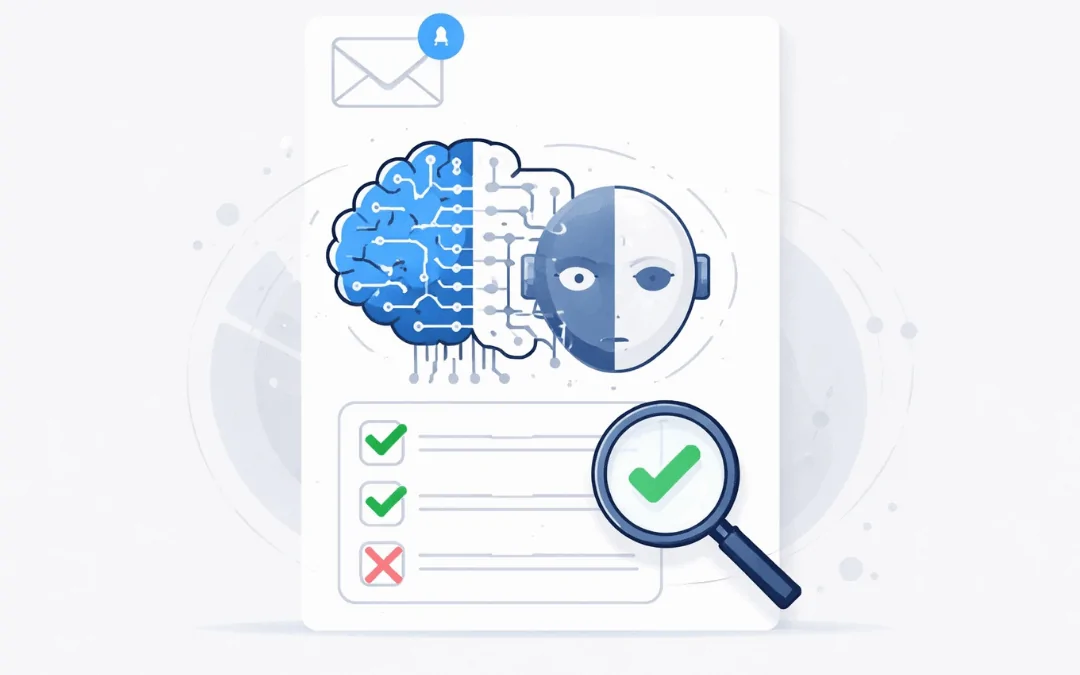
AI personalization tools create impressive-sounding emails but fail when built on scraped data. Companies using AI on human-verified lists see 3x higher reply rates because personalization amplifies relevance, not creates it. Learn why data quality determines AI personalization success.
The AI Personalization Trap in Cold Email
AI personalization is everywhere right now.
Personalized openers. Dynamic first lines. Automated references to company news, job titles, and LinkedIn activity.
On paper, it looks like the final unlock for outbound.
In reality, most AI-personalized emails still get ignored.
Not because AI is weak, but because it is fed the wrong inputs.
Personalization does not fail at the writing layer. It fails at the data layer.
Why AI Personalization Gets Ignored: A Real Customer Story
One of our customers, a growing SaaS company, came to Accurate List after investing heavily in AI-driven outbound. Their emails referenced company size, role, recent hiring activity, and even tech stack details. Everything looked smart.
Replies were still rare.
When we reviewed their campaigns, the problem became clear quickly. The AI was personalizing messages for people who were never the right audience to begin with.
AI can personalize language, but it cannot fix relevance if the contact itself is wrong.
The Data Problem Behind AI Email Personalization
Most AI personalization tools rely on the same foundation as traditional databases. Scraped profiles. Inferred roles. Outdated company information. Surface level signals that look accurate but often are not.
If the data says someone is a Head of Growth, AI will confidently write to them as a Head of Growth. Even if that person moved roles eight months ago. Even if they have zero influence on the buying decision. Even if the company is not remotely a fit.
The email feels personalized. The message feels wrong.
Case Study: Compliance Software AI Personalization Failure
We saw this firsthand with a customer selling compliance software. Their AI-generated openers referenced security priorities and regulatory pressure. The personalization was technically correct based on scraped data.
But the emails were going to marketing leaders.
No amount of clever phrasing could overcome that mismatch.
When we rebuilt their list using human verification, everything changed. We identified actual compliance owners, risk leaders, and operations heads who lived inside those problems daily.
The AI did not change. The copy did not change. The data did.
Reply rates tripled within weeks.
AI Amplifies Relevance, It Does Not Create It
This is the part most teams miss. AI does not create relevance. It amplifies it. If relevance does not exist in the list, AI only makes the mistake faster and more confidently.
At Accurate List, we often explain this using a simple idea. Humans decide who belongs on the list. AI decides how to talk to them.
When humans are removed from the first step, personalization becomes decoration instead of strategy.
Professional Services Learns the Hard Way
Another customer running outbound for professional services learned this lesson after scaling too quickly. Their AI tool was pulling insights from company websites and LinkedIn bios, but many of those profiles were outdated or misleading. Titles looked senior. Authority was assumed.
Conversations stalled after the first reply because the wrong people were involved.
Once we rebuilt their list manually, confirming role ownership and buying relevance, the same AI-generated messages suddenly opened doors. Meetings booked faster. Conversations stayed focused. Fewer handoffs were required.
It understands nuance. It questions assumptions. It validates whether a contact actually makes sense.
AI does not ask those questions. It trusts the dataset completely.
That is why AI personalization without human verification often feels impressive but performs poorly. It optimizes the wrong thing.
The Right Order: Verification First, AI Second
In 2026, the winning outbound teams will not argue about whether AI works. They will understand where it belongs.
AI belongs after accuracy. After verification. After relevance is established.
Without that foundation, personalization is just noise dressed up as intelligence.
How Human Verification Improves AI Performance
When contact data is verified by humans before AI touches it, several things happen:
Correct decision makers receive messages – AI personalizes to people who actually care about the problem you solve.
Current roles get referenced – No more personalizing to outdated titles or responsibilities.
Buying context aligns – Messages reference challenges the recipient actually faces, not assumptions from old data.
Follow-up conversations stay on track – The right stakeholders engage from the start, reducing handoffs and delays.
AI Personalization Performance Comparison
Data Source
Reply Rate
Meeting Conversion
Message Relevance
Scraped Database + AI
2-4%
15-20%
Low
Human-Verified + AI
9-16%
45-60%
High
Human-Verified + Generic Copy
8-15%
40-55%
High
Scraped Database + Generic Copy
1-3%
10-15%
Low
The data shows AI personalization provides modest improvement, but only when built on quality data. Human verification drives the biggest performance gains regardless of personalization approach.
Where AI Personalization Actually Works
If you want AI to actually improve your outreach, start by fixing the data it depends on. That is where Accurate List makes the difference.
Because when humans choose the audience and AI shapes the message, personalization finally does what it promised.
The Winning Formula for AI-Powered Outbound
Human verification identifies the right contacts with current roles and buying authority
AI personalization crafts relevant, contextual messages to those verified contacts
Results multiply because relevance and personalization work together instead of fighting each other
Frequently Asked Questions: AI Personalization and Data Quality
Q: Does AI personalization improve cold email response rates?
A: Yes, but only when built on accurate data. AI personalization on human-verified lists improves reply rates 50-80%. The same AI on scraped databases shows minimal improvement because it personalizes messages to wrong or outdated contacts.
Q: What data does AI personalization need to work effectively?
A: AI needs current job titles, verified decision-making roles, accurate company information, and real buying context. Most AI tools pull from scraped databases with outdated profiles, inferred roles, and surface-level company data that looks accurate but often is not.
Q: Can AI personalization tools verify contact data?
A: No. AI personalization tools focus on message creation, not data verification. They trust whatever contact information they receive. If that data is wrong, AI confidently creates personalized messages for irrelevant recipients.
Q: Why do my AI-personalized emails get ignored?
A: Most likely, the contacts themselves are wrong. AI cannot fix fundamental targeting problems. If you are reaching outdated roles, wrong departments, or people without buying authority, personalization just makes the mismatch more obvious.
Q: Should I use AI personalization or focus on list quality first?
A: List quality first, always. Our customers see bigger performance gains from switching to human-verified lists with generic copy than from adding AI personalization to scraped databases. Fix targeting, then add personalization.
Q: How much does AI personalization cost compared to human verification?
A: AI personalization tools typically cost $50-200 monthly. Human-verified lists cost more upfront ($0.50-2.00 per contact) but deliver 3x better results. The cost per qualified reply is 40-60% lower with verified lists, even before adding AI.
Q: Can I combine AI personalization with human-verified lists?
A: Yes, and this combination delivers best results. Human verification ensures you reach the right people. AI personalization then crafts relevant messages to those verified contacts. Reply rates typically jump to 10-16% with this approach.
Q: What happens when AI personalizes to outdated contact data?
A: Messages reference wrong roles, outdated responsibilities, or irrelevant challenges. Recipients immediately recognize the disconnect, damaging credibility and triggering deletions or spam reports. Worse, you waste time on conversations with people who cannot buy.
Q: How do I know if my AI personalization is working?
A: Track reply rates, not just open rates. If personalized emails get opened but not replied to, your targeting is likely wrong. Quality personalization on verified data generates replies because recipients recognize genuine relevance.
Q: What is the biggest mistake with AI personalization in 2026?
A: Assuming AI can compensate for poor targeting. Teams invest in expensive AI tools while using cheap scraped databases, then wonder why results disappoint. AI amplifies whatever data quality you feed it, good or bad.
Email sequencing tools are universal in 2026, but email list quality determines campaign success. Companies switching from large scraped databases to smaller human-verified lists see 2x higher response rates with simpler sequences. Learn why better targeting beats complex automation every time.
The Outbound Sequencing Obsession
Outbound teams love sequencing.
Five steps. Seven touches. LinkedIn plus email plus follow ups.
Most teams obsess over the structure of the sequence while ignoring the foundation it sits on. That foundation is the list.
In 2026, sequencing is no longer a competitive advantage. Everyone has access to the same tools. The same templates. The same “best practices.”
What separates campaigns that generate pipeline from those that burn domains is list quality.
Why Perfect Sequencing Cannot Fix Bad Data
We saw this clearly with a B2B SaaS company that came to Accurate List after rebuilding their entire outbound stack. New copy. New sequencing tool. AI personalization. Nothing moved.
Their mistake was assuming better orchestration could compensate for poor targeting.
It cannot.
How Sequencing Amplifies Your List Problems
Sequencing amplifies whatever data you feed into it. If the list is weak, the sequence simply accelerates failure.
When we rebuilt their list from scratch, focusing on real buying roles and current organizational context, the same sequence suddenly worked. Replies came in within the first two steps. Not because the sequence was brilliant, but because the message landed with the right people.
Real Results: Shorter Sequences with Better Lists
Another customer running outbound for a consulting firm had a twelve step sequence across email and LinkedIn. Engagement was low and prospects often responded with confusion or polite rejection.
After switching to a tightly curated, human-verified list, they shortened the sequence to four steps. Response rates doubled. Meetings increased. Sales conversations became warmer.
Quality removed the need for complexity.
The 2026 Buyer Reality
In 2026, buyers recognize automation instantly. They tolerate it only when it is relevant. List quality is what makes relevance possible at scale.
At Accurate List, we often tell customers something that initially sounds counterintuitive. If your list is strong, you need fewer follow ups. If your list is weak, no number of follow ups will save you.
Sequencing should support relevance, not try to manufacture it.
There is also a deliverability reality most teams learn too late. Sending multiple touches to the wrong people damages your sender reputation faster than a single poorly targeted blast. Inbox providers measure engagement patterns, not intent.
Low replies signal low value. Low value leads to filtering.
Protecting Your Domain Reputation with Quality Lists
High quality lists protect deliverability because they generate natural engagement signals. Opens. Replies. Forwards. Even negative replies help when they are real.
One of our longest running customers has used the same domains for over two years of consistent outbound without warming resets or deliverability crises. Their secret is not magic sequencing. It is disciplined list building.
The New Outbound Strategy for 2026
Outbound in 2026 rewards restraint.
Fewer emails. Better targets. Cleaner data.
Sequencing still matters, but it is no longer the lever that wins. List quality is.
Three Questions Before Your Next Campaign
Are these actual decision makers or inferred titles?
Do they have current buying context for my solution?
Would I personally want to receive this if I were them?
If you want outbound to work next year and beyond, stop asking how many steps your sequence needs. Start asking whether the people on your list actually belong there.
That is where results begin.
Email Campaign Success Factors: Priority Ranking
Based on analysis of over 500 B2B campaigns in 2025:
List Quality & Targeting (45% impact on results)
Message Relevance (30% impact)
Timing & Cadence (15% impact)
Sequence Structure (10% impact)
Most teams focus effort in reverse order, optimizing sequences while neglecting the foundation.
Frequently Asked Questions: Email Sequencing vs List Quality
Q: How many touches should my email sequence have in 2026?
A: With high quality lists, 3-5 touches generate best results. With poor lists, even 10+ touches fail. Quality targeting reduces the need for multiple follow ups because relevant messages get responses faster.
A: No. Sequencing amplifies whatever you put into it. Sending multiple automated touches to irrelevant contacts just accelerates failure and damages sender reputation. Fix the list first, then optimize sequencing.
Q: What email open rate should I expect with proper list quality?
A: Human-verified lists typically achieve 35-50% open rates compared to 15-25% for scraped databases. More importantly, reply rates jump from 1-3% to 8-15% because recipients actually recognize relevance.
Q: How does list quality affect email sequence length?
A: Better lists require shorter sequences. When your first email reaches the right person with relevant context, replies come quickly. Poor lists need more touches trying to find someone who cares, which rarely works.
Q: Should I prioritize AI personalization or list quality?
A: List quality first, always. AI personalization on irrelevant contacts wastes time and resources. Reaching the right person with a simple, clear message outperforms personalized outreach to wrong contacts every time.
A: Low engagement from poor targeting. When recipients ignore or delete your emails consistently, inbox providers label you as low value. Quality lists generate natural engagement (opens, replies) that protects deliverability.
Q: How do I know if my email list quality is the problem?
A: Check these signals: reply rate under 3%, high bounce rates, spam complaints, declining deliverability, or recipients responding “why did I get this?” If sequencing looks good but results are poor, audit your list.
Q: Can I test list quality before committing to a full campaign?
A: Yes. Run a small test campaign (200-500 contacts) comparing scraped database contacts against human-verified contacts. Track reply rates, meeting bookings, and spam complaints. Quality differences become obvious quickly.
Q: What is the ROI difference between database lists and verified lists?
A: While verified lists cost more upfront, cost per qualified lead typically drops 40-60%. Fewer wasted emails, better deliverability, shorter sales cycles, and higher conversion rates make verified lists far more profitable long term.
Q: How often should I refresh my outbound email list?
A: Active campaigns need quarterly refreshes minimum. Contact data degrades 2-3% monthly through job changes, promotions, and company transitions. Stale data kills performance faster than bad sequencing.
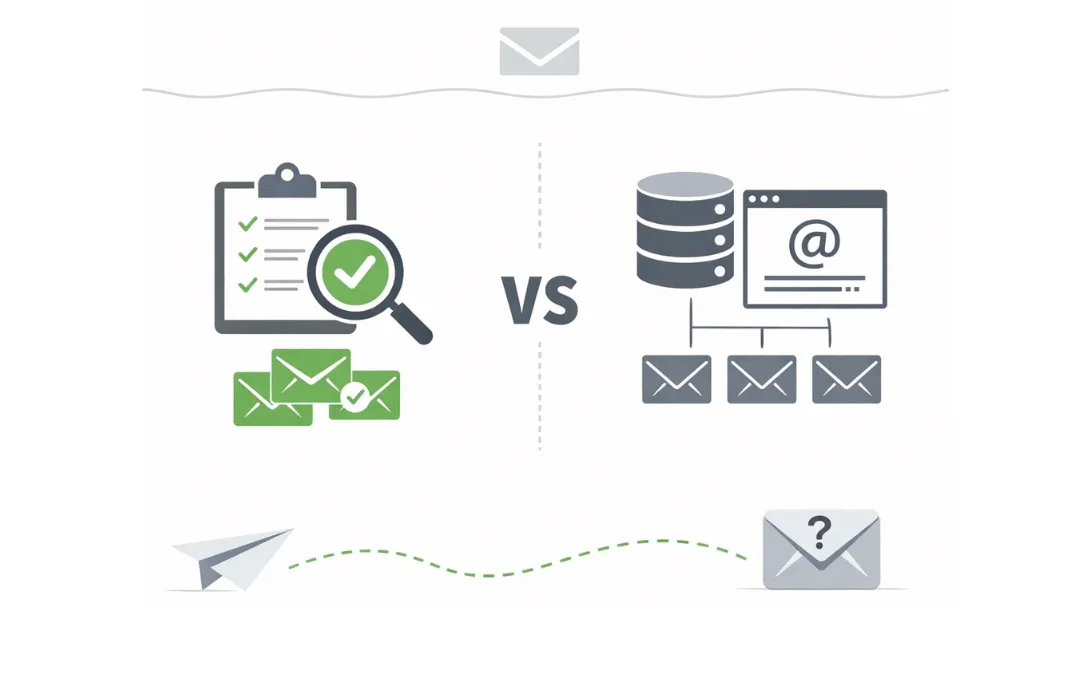
Database scraped email lists offer volume but lack relevance. Human-verified contact lists deliver 7x higher reply rates by targeting actual decision makers with current roles and real buying context. Learn why smaller, verified lists consistently outperform large scraped databases in cold email campaigns.
Why Your Cold Email Campaign Gets No Replies
If you have ever run a cold email campaign that looked perfect on paper but delivered silence in reality, you already know the uncomfortable truth.
The problem was not your subject line. It was not your copy. It was not even your offer.
It was the list.
Most businesses start with database scraped emails because that is what the market normalized. Millions of contacts. Filters for job title and industry. A comforting sense of scale. On the surface, it feels like momentum.
Until the replies do not come.
The Hidden Cost of Database Scraped Email Lists
One of our SaaS customers came to us after sending over 40,000 emails using a well known database provider. Open rates looked fine. Clicks were acceptable. Replies were nearly nonexistent. Worse, their domain reputation started slipping and inbox placement became unpredictable.
When we audited the data, the issue was obvious. The contacts were technically “valid” but practically irrelevant.
Outdated roles. Wrong departments. Companies that looked right on a spreadsheet but had zero buying context.
Database scraped emails are built for volume, not intent. They are collected through automation, scraping, inferred patterns, and recycled sources. Even when they pass email verification tools, they often fail the most important test.
Would this person actually care?
How Human-Verified Email Lists Work Differently
Human-verified emails work differently because humans think differently.
At Accurate List, every list we build starts with a real conversation about who the customer actually wants to reach. Not just titles, but decision influence. Not just industries, but buying triggers. Not just company size, but operational reality.
Real Customer Example: Healthcare Provider Targeting
One of our agency customers targeting healthcare providers learned this the hard way. Their previous list vendor delivered thousands of “IT Directors” across hospitals. The campaign struggled.
When we rebuilt the list manually, we discovered most technology decisions were driven by operations heads and compliance leads, not IT.
Same industry. Same company size. Completely different outcome.
With a smaller, human-verified list, their reply rate jumped from under 2 percent to over 14 percent. No change in copy. No fancy personalization. Just relevance.
That is the difference.
Why Email Reply Rates Depend on Recognition, Not Scale
Replies are driven by recognition. The moment someone opens your email and thinks, “This is actually for me,” you have won half the battle. Scraped databases cannot consistently create that moment because they do not understand context. Humans do.
Another Accurate List customer in B2B services reduced their send volume by 70 percent after switching to custom built lists. Their pipeline grew anyway. Sales cycles shortened. Spam complaints dropped to zero.
More emails did not create more opportunities. Better emails did.
Q: What is the difference between scraped and verified email lists?
A: Scraped email lists are collected through automated tools that gather contact information from websites, directories, and public sources. Human-verified lists are built through manual research where each contact is validated for current role, decision-making authority, and relevance to your specific offer.
Q: Why do human-verified email lists have higher reply rates?
A: Human verification ensures you reach actual decision makers with current roles and real buying context. Reply rates increase because recipients recognize the email as relevant to their specific situation, not generic outreach.
Q: Are database email lists always inaccurate?
A: Not always, but accuracy degrades quickly. Job changes, company transitions, and role shifts happen constantly. Scraped databases rely on static snapshots that become outdated within months. Human verification catches these changes before your campaign launches.
Q: How much smaller are human-verified lists compared to scraped databases?
A: Typically 60-80% smaller, but results improve dramatically. One Accurate List customer reduced send volume by 70% while increasing pipeline. Quality targeting eliminates waste and improves outcomes.
A: Verification tools check if emails exist, not if they are relevant. They catch syntax errors and inactive addresses but miss outdated roles, wrong departments, and irrelevant contacts. Human verification solves the relevance problem, not just the technical one.
A: Poor engagement from irrelevant emails signals low value to inbox providers, triggering spam filters. High quality lists generate natural engagement (opens, replies, forwards) that protects sender reputation and ensures inbox placement.
Q: What industries benefit most from human-verified email lists?
A: Any B2B industry with complex buying processes benefits significantly. Healthcare, enterprise software, professional services, and technical solutions see the highest improvement because decision making involves multiple stakeholders with specific roles.
Q: How often should verified email lists be updated?
A: Best practice is quarterly updates for active campaigns. Job changes and organizational shifts happen constantly. Fresh verification every 90 days maintains accuracy and protects campaign performance.
Stop betting your deals on a single contact. Multi-threading outreach means engaging everyone who matters in the buying decision—from the CFO worried about budget to the IT director concerned about security. Build comprehensive lists targeting entire buying committees, not just one champion. Result? Faster sales cycles, higher win rates, and deals that don’t die when your main contact goes on vacation. Smart sales teams use verified data to reach 6-10 decision makers per account instead of hoping one person will carry their message internally.
Picture this: You’ve been nurturing a deal for six months. Your champion loves your solution, the demos went perfectly, and you’re 90% sure this is closing next quarter. Then your contact leaves the company, and suddenly nobody else knows who you are or why they should care about your product.
Sound familiar? You just learned why single-threading kills deals.
The uncomfortable truth is that hoping one person will sell your solution internally is like playing Russian roulette with your quota. Modern B2B purchases involve 6-10 people on average, each with their own agenda, concerns, and veto power. Your champion might love your product, but if they can’t convince the security team, procurement department, and finance director, your deal is dead.
Multi-threading outreach flips this dynamic. Instead of crossing your fingers and hoping your champion does your job for you, you proactively build relationships with everyone who matters. You address the CFO’s ROI concerns directly. You handle the CTO’s integration questions yourself. You reassure the compliance officer about data security before they even ask.
This isn’t about sending more emails—it’s about being smarter with who gets them.
Walk into any enterprise software purchase decision, and you’ll find something that looks more like a small United Nations assembly than a simple buyer-seller conversation. The marketing director wants user adoption metrics. The IT manager worries about system integration. The CFO demands ROI projections. The legal team needs compliance documentation. The procurement manager wants vendor references.
Each person evaluates your solution through their own lens, and each one can sink your deal.
Here’s what most sales reps miss: these people aren’t trying to make your life difficult. They’re protecting their own careers and departments. The security director who asks tough questions about data encryption isn’t being difficult—they’re making sure a breach doesn’t happen on their watch. The finance director questioning your pricing isn’t cheap—they’re responsible for budget allocation across dozens of competing priorities.
When you understand that buying committees exist because organizations need diverse expertise to make good decisions, multi-threading stops feeling like extra work and starts feeling like common sense.
Think about it: Would you buy a house based on one person’s opinion? Of course not. You’d talk to the inspector about structural issues, the financial advisor about mortgage options, maybe your spouse about neighborhood fit. B2B purchasing works the same way, just with more people and bigger consequences for getting it wrong.
Building Your Multi-Threading Hit List
Start With Your Customer Mirror
Before you build any list, get brutally honest about who actually buys your product. Not who you think should buy it, or who you wish would buy it—who actually signs the contracts.
Pull your last ten closed deals and map out everyone involved. You’ll probably find patterns. SaaS companies often see IT directors for technical evaluation, finance directors for budget approval, and department heads for user requirements. Security software deals might involve CISOs, compliance officers, and procurement teams.
Document these patterns. They become your targeting blueprint.
Role Mapping That Actually Works
Generic job titles are useless. “VP” could mean anything from a 25-person startup to a Fortune 500 division. Instead, think about functions and responsibilities.
For a project management tool targeting mid-market companies, you might need:
Someone who understands current workflow pain points (Operations Manager, Team Lead)
Someone who evaluates technical requirements (IT Director, CTO)
Someone who controls the budget (Finance Director, Department Head)
Someone who manages vendor relationships (Procurement, Operations)
Notice how these are functions, not just titles. This thinking scales across company sizes and industries because responsibilities matter more than org chart positions.
The Fresh Data Problem
Here’s a dirty secret about contact databases: they rot fast. People change jobs every 2-3 years on average, and even the best databases lose accuracy at 2-3% per month. That “comprehensive” list you bought six months ago? It’s probably missing 15-20% of contacts or reaching people who no longer work there.
Bounced emails kill your sender reputation. Wrong titles make you look clueless. Outdated contacts waste your time and theirs.
Human-verified data costs more upfront but saves money long-term. When a real person confirms that Sarah Johnson is still the VP of Operations at TechCorp and her email is still [email protected], your outreach actually reaches the right person.
Segmentation That Speaks Their Language
Once you have your verified list, resist the urge to send the same message to everyone. The CFO doesn’t care about API documentation, and the developer doesn’t want to hear about quarterly budget planning.
Create segments based on what each role actually cares about:
Technical Evaluators (CTOs, IT Directors, Engineers)
Each segment gets messaging that speaks to their specific concerns and priorities.
Campaign Execution That Doesn’t Suck
Personalization Without the BS
Forget the “I noticed you went to Michigan State” nonsense. Busy executives see through fake personalization immediately. Instead, reference something that actually matters to their role and company.
Real personalization mentions:
Recent company news that affects their department
Industry trends impacting their responsibilities
Specific challenges their role typically faces
Relevant metrics or benchmarks for their industry
For example: “Hi Sarah, saw that TechCorp just announced the European expansion. Operations teams usually face integration challenges when scaling across regions—curious how you’re thinking about process standardization.”
This works because it demonstrates understanding of their business, not just their LinkedIn profile.
Team Coordination That Prevents Disasters
Nothing kills credibility faster than your marketing team and sales rep contradicting each other. Multi-threading requires obsessive coordination between teams.
Marketing typically handles initial outreach and awareness building. Sales follows up with detailed conversations and proposals. Both teams need shared messaging frameworks, consistent value props, and clear handoff protocols.
Weekly alignment meetings aren’t optional—they’re survival. When marketing gets responses from multiple stakeholders at the same account, sales needs to know immediately. When sales learns about new requirements or objections, marketing needs that intel to adjust future messaging.
Timing That Doesn’t Overwhelm
Hitting an organization with simultaneous emails to ten people looks like spam and feels desperate. Smart sequencing prevents this while ensuring coverage.
Start with 2-3 key stakeholders over the first week. If you get responses or engagement, expand to additional contacts over the following weeks. If initial outreach falls flat, adjust your messaging before reaching out to remaining contacts.
The goal is persistent presence, not email carpet bombing.
Why Accurate List Changes the Game
Building multi-threaded lists manually is brutal. Hours of research per account, cross-referencing LinkedIn profiles, verifying email addresses, checking for job changes—it’s slow, expensive, and error-prone.
Accurate List solves this with custom list building that matches your specific requirements. Need to reach CTOs at 200-500 employee SaaS companies in North America? Done. Want finance directors at manufacturing companies that recently raised funding? No problem.
The human verification piece matters more than most people realize. Automated scraping tools grab outdated information, incorrect titles, and invalid email addresses. Human researchers verify that contacts are current, titles are accurate, and email addresses are active. This verification dramatically improves deliverability and reduces the bounces that damage sender reputation.
Custom filtering lets you build precise buying committee lists without the complexity of assembling contacts from multiple sources. Instead of cobbling together partial lists from different databases, you get complete buying committee coverage from a single platform.
For account-based marketing teams, this streamlined approach eliminates weeks of list-building work while improving list quality. Sales teams can focus on relationship building instead of data research.
The Multi-Threading Advantage
Speed Kills (In a Good Way)
Single-threaded deals move at the pace of your slowest contact. If your champion gets busy with other priorities, your deal stalls. If they need to build internal consensus, you’re waiting for them to have conversations you can’t control or influence.
Multi-threading eliminates these bottlenecks. When you have relationships with multiple stakeholders, the buying process continues even if individual contacts become unavailable. Technical questions get answered by the technical team. Budget discussions happen with finance. Implementation planning occurs with operations.
The redundancy speeds everything up.
Predictability You Can Bank On
Deals with multiple stakeholder relationships close at significantly higher rates than single-threaded opportunities. More importantly, they’re more predictable. When you understand each stakeholder’s priorities and concerns, you can forecast deal progression more accurately.
Multi-threading also reveals potential obstacles early. The security team’s concerns about data handling, the finance team’s budget cycle timing, the operations team’s implementation bandwidth—these issues surface in stakeholder conversations before they become deal-killers.
Intelligence That Matters
Different roles reveal different aspects of organizational needs and decision-making processes. The technical team explains integration requirements. The finance team clarifies budget approval processes. The operations team describes implementation timelines.
This intelligence helps you position your solution more effectively and navigate internal politics that could derail deals. Understanding who has real influence (versus who has impressive titles) can make the difference between winning and losing competitive situations.
Making Multi-Threading Work
Research That Counts
Effective multi-threading starts with understanding each target organization before you reach out. Recent news, funding announcements, leadership changes, product launches—these provide relevant context for personalized outreach.
Don’t just research the company; research the people. What initiatives is the CTO working on? What challenges is the operations team facing? What metrics does the finance team care about?
This research investment pays dividends in response rates and conversation quality.
Consistency Without Boring
Your core value proposition should remain consistent across all stakeholders, but the emphasis and examples need to match each audience. The security benefits that matter to the CISO might bore the CFO, while the ROI metrics that excite finance might overwhelm the technical team.
Develop message variants that emphasize different aspects of your solution for different roles while maintaining consistent core claims and positioning.
Follow-Up That Adds Value
Multi-threading creates more touchpoints, which means more opportunities to provide value between conversations. Share relevant industry reports with finance contacts. Send technical documentation to IT teams. Provide implementation case studies to operations managers.
Each touchpoint should advance the relationship and demonstrate your expertise, not just remind them you exist.
Measuring What Matters
Traditional email metrics miss the point with multi-threading. Open rates and click rates at the individual level matter less than account-level engagement and stakeholder coverage.
Time from initial contact to first meeting (across all contacts)
Deal velocity for multi-threaded versus single-threaded opportunities
These account-level metrics better reflect multi-threading effectiveness and help identify optimization opportunities.
The Bottom Line
Multi-threading outreach isn’t about working harder—it’s about working smarter. Instead of hoping one person will champion your solution internally, you build relationships with everyone who matters. Instead of waiting for internal consensus-building you can’t control, you address stakeholder concerns directly.
The mechanics matter: verified contact data, role-based messaging, coordinated team execution, and systematic follow-up. But the mindset shift matters more. Stop betting your deals on single relationships. Start building the broad organizational support that closes deals predictably.
Modern B2B sales is a team sport, both on your side and theirs. Multi-threading acknowledges this reality and builds strategy around it. The organizations that embrace this approach consistently outperform those still playing by single-contact rules.
Your quota doesn’t care about your champion’s internal political skills. It cares about closed deals. Multi-threading delivers them.
Frequently Asked Questions
Q: How many contacts should I target per account for multi-threading?
A: It depends on company size and deal complexity, but 4-6 contacts typically provides good coverage without overwhelming the organization. For enterprise deals, this might extend to 8-10 stakeholders across different departments. Start with key decision-makers and influencers, then expand based on initial engagement.
Q: Won’t reaching out to multiple people at the same company look desperate or spammy?
A: Not if done thoughtfully. Stagger your outreach over 2-3 weeks, personalize messages for each role, and ensure messaging consistency. Most stakeholders expect vendors to engage relevant team members—they’re often relieved when you address their specific concerns directly instead of making them translate generic messages.
Q: What if my champion asks me not to contact other people in their organization?
A: This is a red flag. Champions who try to control all vendor communication often lack real influence or fear their colleagues will raise objections they can’t handle. Politely explain that you want to ensure all stakeholders’ concerns are addressed properly. If they continue to resist, question whether they can actually drive the deal forward.
Q: How do I avoid conflicting messages when multiple team members are reaching out to the same account?
A: Create shared messaging frameworks and battle cards that ensure consistency across your team. Hold regular alignment meetings to coordinate outreach timing and share contact responses. Use a shared CRM system where all team members log interactions and insights. Clear communication protocols prevent mixed messages.
Q: Should I mention other contacts when reaching out to stakeholders at the same company?
A: Generally no, especially in initial outreach. Let relationships develop naturally. However, if asked directly, be honest about your comprehensive approach. You might say something like, “I’m working to ensure all relevant stakeholders have the information they need to evaluate our solution effectively.”
Q: How long should I wait between contacts at the same organization?
A: Space initial outreach 3-5 days apart to avoid appearing overly aggressive. For follow-ups, coordinate timing based on where each relationship stands. Some contacts might need weekly follow-up while others prefer monthly check-ins. Pay attention to response patterns and adjust accordingly.
Q: What’s the best way to handle situations where stakeholders have conflicting requirements?
A: Address conflicts head-on by facilitating stakeholder conversations rather than trying to resolve issues behind the scenes. Suggest a brief alignment call with relevant parties to discuss requirements and find common ground. Your role becomes consultative—helping the organization work through internal differences while positioning your solution as the answer.
Q: How do I track multi-threading effectiveness in my CRM?
A: Create account-level fields to track stakeholder coverage, engagement status by role, and committee mapping. Use opportunity stages that reflect multi-threading progress (e.g., “Key stakeholders identified,” “Technical team engaged,” “Financial approval in progress”). Report on account-level metrics rather than just individual contact activity.
Q: What if I can’t identify all the buying committee members upfront?
A: Start with the stakeholders you can identify and ask them about the decision-making process during early conversations. Questions like “Who else typically gets involved in evaluating solutions like this?” or “What other departments need to sign off on this type of purchase?” help map the complete committee structure.
Q: Is multi-threading worth the extra effort for smaller deals?
A: It depends on your average deal size and sales cycle length. For deals under $10K with short cycles, single-threading might be more efficient. But for anything with a 3+ month sales cycle or involving multiple departments, multi-threading typically improves win rates enough to justify the additional effort. Test both approaches and measure results to find your threshold.
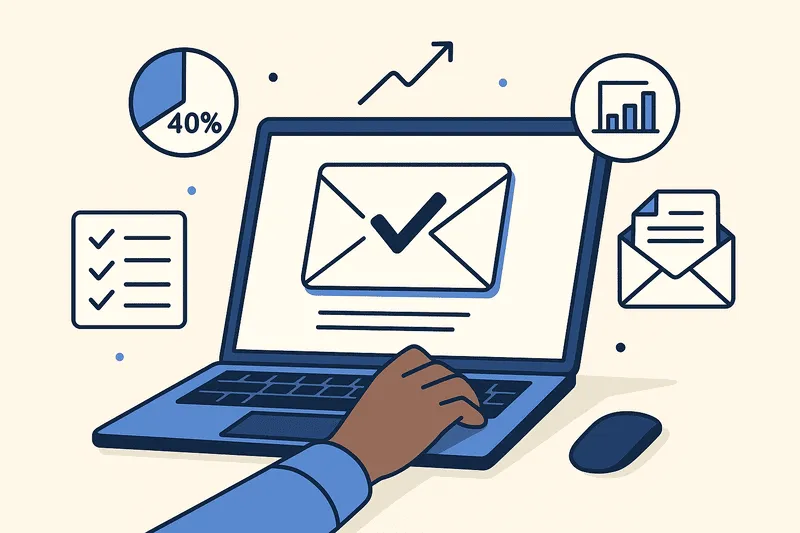
Cold email isn’t broken, but most people are doing it wrong. This framework consistently delivers 40%+ open rates by focusing on five key areas: laser-focused list building, proper domain warm-up, curiosity-driven subject lines, personalized preview text, and strategic timing. The secret isn’t volume—it’s relevance paired with technical excellence in deliverability.
Introduction
Most cold emails still suck. But they don’t have to.
The average cold email open rate hovers around 15-20%. Inboxes are flooded with generic pitches. Spam filters have become ruthless gatekeepers. Yet some senders consistently hit 40%+ open rates while others struggle to break double digits.
The difference isn’t luck. It’s framework.
Better opens create better chances at replies. More replies generate more revenue. The math is simple, but the execution requires precision.
This post breaks down the exact framework I use to achieve these results. It’s real, repeatable, and scalable across industries.
What’s Changed in Cold Emailing in 2025?
The cold email landscape transformed dramatically over the past year.
Gmail and Yahoo implemented stricter sender authentication requirements. Bulk senders now face immediate penalties for poor deliverability metrics. The technical bar rose significantly.
AI-generated spam flooded inboxes at unprecedented levels. Recipients developed sharper instincts for detecting automated outreach. Generic templates became instant delete candidates.
Deliverability evolved into a complex technical discipline. Success now requires understanding SPF records, DKIM signatures, and domain reputation management.
Relevance and personalization became the ultimate differentiators. Senders who master these elements consistently outperform those who rely on volume alone.
The Big Mistake Most Cold Emails Still Make
Most cold email campaigns fail before they start by prioritizing quantity over quality.
Senders blast thousands of irrelevant leads, believing volume solves everything. They scrape email lists without considering whether recipients actually need their solution.
They treat open rates as purely a subject line game. While subject lines matter, deliverability, timing, and preview text contribute equally to opens.
Domain warm-up gets skipped or rushed. Senders use their primary business domain for cold outreach, risking their entire email reputation.
Automation runs without context. Sequences fire regardless of recipient behavior, company news, or market timing.
The High-Open Cold Email Framework
Step 1: Build a Laser-Focused List
Stop scraping thousands of irrelevant contacts. Quality beats quantity every time.
Define your ideal customer profile with surgical precision. Specify exact job titles, company sizes, industries, and pain points. A marketing director at a 50-person SaaS company has different needs than a CMO at a Fortune 500 enterprise.
Use sophisticated sourcing tools like Apollo, AccurateList, Clay, and LinkedIn Sales Navigator. These platforms offer granular filtering that prevents irrelevant prospects from entering your pipeline.
Verify that each contact should genuinely care about your email. Ask yourself: “Would this person benefit from my solution?” If the answer isn’t an immediate yes, remove them.
Step 2: Validate and Warm Up Your Domain
Your domain reputation determines inbox placement more than your email content.
Never use your primary business domain for cold outreach. Purchase a secondary domain that’s similar to your main domain. If your business uses company.com, consider companymail.com or getcompany.com.
Warm up your domain using tools like Instantly, Mailflow, or Mailreach. These services gradually increase your sending volume while building positive sender reputation through automated conversations with real inboxes.
Configure proper email authentication. Set up SPF, DKIM, and DMARC records correctly. These technical elements signal to email providers that you’re a legitimate sender.
Monitor your domain’s reputation continuously. Even small deliverability issues compound quickly in cold email campaigns.
Step 3: Craft Curiosity-Driven Subject Lines
Subject lines should create curiosity, not sell your product.
Keep subject lines under 50 characters. Mobile devices truncate longer subjects, reducing their effectiveness.
Use personalization when it adds genuine value. “{{CompanyName}} + marketing automation” works better than generic subjects, but only if the personalization feels natural.
Test these proven formats:
“Quick question about [Company]’s [specific initiative]”
“[Mutual connection] suggested I reach out”
“Saw your post about [specific topic]”
“[Company] + [Your solution category]”
A/B test everything. Small subject line changes can move open rates by 10-15 percentage points.
Step 4: Personalize the Preview Text
Preview text appears next to your subject line in most email clients. It’s criminally underutilized.
Make the first line of your email sound like it was written specifically for that recipient. Mention something unique about their company, recent announcement, or industry challenge.
Avoid generic openings like “Hope this email finds you well” or “I wanted to reach out because.” These phrases scream automation.
Strong preview text examples:
“Noticed [Company] just raised Series B funding…”
“Your recent LinkedIn post about [topic] resonated…”
“Saw [Company] is expanding into European markets…”
Step 5: Time and Cadence
Timing affects open rates more than most senders realize.
Send emails Tuesday through Thursday between 8-10 AM or 1-3 PM in your prospect’s timezone. Avoid Mondays (inbox overload) and Fridays (weekend mindset).
Implement trickle sending rather than batch blasting. Spread your sends throughout the day to avoid triggering spam filters and improve deliverability.
Space your follow-up emails strategically. Wait 3-4 business days between touches. Persistence matters, but respect matters more.
Deliverability Hygiene: The Silent Open Rate Killer
Twenty percent of cold emails never reach the primary inbox. They land in spam folders or get blocked entirely.
Understand the difference between delivery and inbox placement. Delivery means the email reached the server. Inbox placement means it reached the primary inbox where recipients actually see it.
Monitor your deliverability using tools like GlockApps or Mailreach. These services show exactly where your emails land across different providers.
Maintain strict metrics thresholds. Keep bounce rates below 3% and spam complaint rates below 0.1%. Exceed these numbers and your sender reputation suffers immediately.
The campaign targeted marketing directors at growing SaaS companies who recently raised funding. Subject lines referenced specific funding rounds or company growth initiatives. Preview text mentioned relevant industry challenges like customer acquisition costs or retention metrics.
Common Questions and Objections
“What if I don’t have enough personalization data?”
Focus on company-level personalization instead of individual details. Recent funding rounds, job postings, news mentions, and LinkedIn company updates provide personalization opportunities that don’t require deep individual research.
“Will this work for agencies/SaaS/freelancers?”
The framework adapts to any industry. Agencies should focus on client case studies and results. SaaS companies can reference specific use cases and integration possibilities. Freelancers should emphasize specialized expertise and past project outcomes.
“How long until I see results?”
Domain warm-up takes 2-4 weeks depending on your starting reputation. Once warmed, you should see improved open rates within the first week of sending. Full optimization typically requires 30-60 days of testing and refinement.
“Is cold email still worth it in 2025?”
Cold email remains one of the highest ROI marketing channels when executed properly. The key is treating it as a professional skill requiring technical knowledge, not a spray-and-pray volume game.
Final Thoughts
Cold email isn’t dead. Bad cold email is.
Open rates serve as a leading indicator of campaign health. High opens suggest strong deliverability, relevant targeting, and compelling messaging. Low opens reveal problems that need immediate attention.
Frameworks work when adapted, not blindly copied. Take these principles and adjust them for your industry, audience, and business model.
The best cold email senders combine technical excellence with genuine value creation. They understand deliverability, respect their prospects’ time, and provide solutions to real problems.
Test this framework with a small audience first. Measure everything. Optimize based on data, not assumptions.
FAQs
Q: How many emails should I send per day when starting?
A: Start with 10-20 emails per day during domain warm-up, then gradually increase to 50-100 per day maximum. Quality always trumps quantity.
Q: Should I use my real name or a fake persona?
A: Always use your real identity. Authenticity builds trust, and fake personas create legal and ethical issues.
Q: How long should my cold emails be?
A: Keep emails under 150 words. Shorter messages have higher read and response rates.
Q: What’s the best CRM for cold email campaigns?
A: Choose based on your needs. HubSpot integrates well with most tools. Pipedrive offers strong automation. Clay excels at data enrichment and personalization.
Q: How do I avoid spam filters?
A: Focus on deliverability fundamentals: proper authentication, gradual volume increases, clean lists, and avoiding spam trigger words.
Q: Should I buy email lists?
A: Never buy email lists. They contain outdated information, spam traps, and unengaged contacts that will destroy your sender reputation.
Q: How many follow-up emails should I send?
A: Send 3-5 follow-ups spaced 3-4 business days apart. More touches increase response rates if done respectfully.
Q: What if my open rates are still low after following this framework?
A: Check your deliverability first using tools like GlockApps. Low opens often indicate inbox placement issues rather than subject line problems.
Get the Complete Framework Checklist
Bookmark our step-by-step checklist version of this framework, including email templates, deliverability setup guides, and tracking spreadsheets. This comprehensive toolkit ensures you implement every element correctly for maximum results.