
TLDR
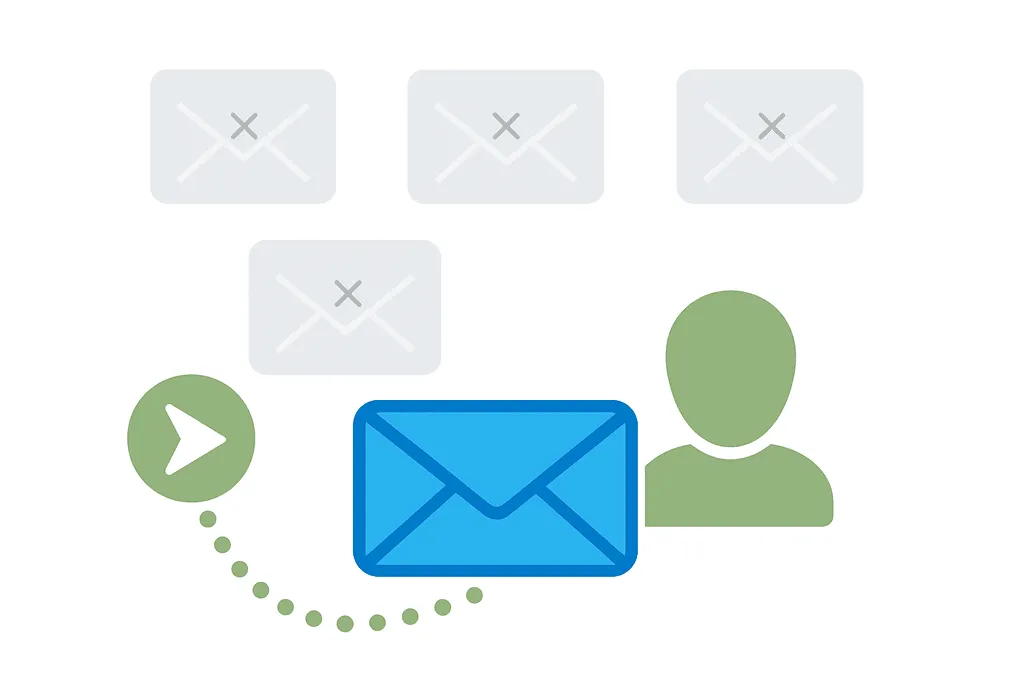
Outbound isn’t broken. Your targeting is. Most teams chase quantity over quality, blasting generic emails to unverified lists. The result? Terrible response rates that make everyone think cold email is dead. Reality check: B2B buyers still respond to relevant, well-timed outreach. The secret isn’t sending more emails. It’s sending the right emails to the right people at the right time.
The Cold Email Funeral That Never Happened
You’ve probably heard it a thousand times: “Cold email is dead.” Sales forums are full of frustrated SDRs sharing their 0.3% response rates. Marketing leaders are pulling budget from outbound campaigns. Everyone’s jumping on the “outbound doesn’t work anymore” bandwagon.
Here’s the thing. They’re wrong.
Sure, buyers are pickier. Spam filters are smarter. Inboxes are crowded. But here’s what nobody wants to admit: the problem isn’t outbound. It’s poor targeting.
If your response rate is 0.3%, it’s not because cold email is broken. It’s because your list is.
The Real Reason Most Outbound Fails
Walk into any sales floor and you’ll see the same mistakes happening over and over:
Teams obsess over volume. They buy massive lists with 100,000 contacts and think bigger equals better. They send the same generic template to CEOs and interns alike. They blast emails to companies that would never buy their product.
The targeting is completely backwards. They’re hitting wrong job titles, irrelevant industries, companies way outside their ideal customer profile. No personalization. No segmentation. Just spray and pray.
Then there’s the data quality nightmare. Bounce rates through the roof because half the emails don’t exist. Sender reputation tanks. Deliverability plummets.
“Outbound isn’t dead—it’s just misused. You wouldn’t propose marriage to a stranger in a parking lot. Don’t do it in the inbox either.”
The whole approach is fundamentally flawed.
How B2B Buyers Actually Buy Today
Despite what the doomsayers claim, B2B purchases are still driven by outreach. When it’s relevant.
Decision-makers are busier than ever, but they’re still open to value. They still have problems to solve and budgets to spend. The difference? They’re ruthlessly selective about what deserves their attention.
They respond to emails that solve clear problems. Messages from people who actually understand their business. Outreach that’s well-timed and aligned with their current needs or growth stage.
Research shows that 60% of B2B buyers say well-timed outreach helped them discover new solutions. The key word here is “well-timed.” Not random. Not generic. Strategic.
You’re Not Just Sending Emails. You’re Starting Conversations.
Time for a mindset shift. Stop thinking about spamming inboxes. Start thinking about targeting the right humans.
Relevance beats reach every single time.
When you nail your list, everything else gets easier. Personalization becomes scalable. Bounce rates drop. Reply rates climb. Booking rates actually matter.
What does “the right list” look like?
First, accurate firmographics. You need real company data, not outdated information scraped from random websites. Second, role-based targeting that distinguishes between decision-makers and influencers. Third, tech stack and intent signals that show buying readiness. Fourth, verified email deliverability status.
Without these foundations, you’re building on sand.
Anatomy of a Great Outbound List
Let’s get specific. Say you’re selling marketing automation software to mid-market B2B companies.
Your ideal customer profile might look like this: B2B companies with 200-1000 employees, currently using basic email tools like Mailchimp, showing growth signals like recent funding or aggressive hiring, with marketing leaders who have decision-making authority.
Now you build your list around industry and employee size. Layer in technographics to find companies using complementary tools. Add buying signals like funding announcements, product launches, or expansion news. Target specific role titles with actual seniority.
Most importantly: verified emails only.
Here’s the difference:
Bad List:
- Generic job titles (“Marketing Manager” at any company)
- No size filters (startups to enterprise)
- Unverified emails
- No intent signals
- Same message to everyone
Smart List:
- Specific roles (“VP Marketing” at 200-1000 employee companies)
- Current tech stack data
- Verified, deliverable emails
- Recent growth indicators
- Segmented messaging by company stage
The results speak for themselves.
Case in Point: How One SDR Team 10x’ed Replies with Better Data
Take the team at a growing SaaS company. They started like everyone else: buying cheap, scraped lists and sending thousands of generic emails weekly. Response rate hovered around 0.5%. Bounce rate was 15%. Pipeline contribution was basically zero.
Then they switched strategies. Instead of 10,000 random contacts, they built a targeted list of 500 prospects. Series A and B companies in their sweet spot. Recent hiring announcements in sales and marketing. Verified emails only.
They researched each company’s tech stack. Personalized messages around specific pain points. Referenced recent company news and growth milestones.
The results? Bounce rate dropped to 2%. Response rate jumped to 5%. They opened conversations with 15+ enterprise prospects in their first quarter. Three of those turned into six-figure deals.
Same team. Same email platform. Different approach.
The Cold Email Checklist for 2025
Want to win at outbound? Here’s what you actually need:
- Crystal-clear ICP: Know exactly who buys from you and why
- Verified, segmented contact list: Quality over quantity, always
- Personalization strategy: Show you understand their business
- Deliverability hygiene: SPF, DKIM, proper warm-up protocols
- Follow-up plan: One email isn’t enough, but don’t be annoying
The tools are here. The channels work. The problem isn’t email. It’s your starting point.
Final Take: Outbound Isn’t Dead. Lazy Targeting Is.
Let’s be clear about something: outbound is still one of the most effective B2B channels. When done right.
The teams crying about “outbound being dead” are the same ones sending mass emails to unqualified lists. They’re solving the wrong problem with the wrong approach.
Stop blasting. Start narrowing. Begin with the right list and outbound becomes a scalable, predictable pipeline engine.
Your prospects are out there. They have budgets. They have problems you can solve. They’re just not on your current list.
Time to fix that.
FAQs
Q: How do I know if my current list is good enough?
A: Check your metrics. If your bounce rate is above 3%, reply rate below 2%, or you’re not booking meetings, your list needs work. Good lists have verified emails, match your ICP precisely, and include recent intent signals.
Q: What’s the ideal list size for outbound campaigns?
A: Smaller is better. 500 highly-targeted prospects will outperform 5,000 random contacts every time. Focus on quality and relevance over volume.
Q: How often should I refresh my contact lists?
A: Email addresses change constantly. Refresh your lists every 90 days minimum. Update job titles, company information, and verify deliverability status regularly.
Q: Should I still do outbound if my industry has long sales cycles?
A: Absolutely. Long sales cycles make targeting even more critical. Use intent signals, company growth indicators, and budget cycles to time your outreach better.
Q: How much personalization is enough?
A: Start with company-specific details: recent news, tech stack, or growth signals. Avoid generic “I saw your LinkedIn post” messages. Show you understand their business challenges specifically.
Q: What’s the biggest red flag in outbound list building?
A: Buying generic lists without verification. If you can’t trace where the contact data came from or when it was last updated, don’t use it. Your sender reputation depends on clean data.